
The End Is Where We Start From
As we grow older, we rarely peer into the crystal ball of available data and ask about what will become of our lives.
Massively talented artist, graphic designer and printmaker Emma Tominey and I been commissioned to work together to provide workshops throughout Redcar & Cleveland and Middlesbrough, responding to the theme of Aging Well.
Stating the Need
In post-industrial England’s most deprived areas, life expectancy is extremely low. Locally, a healthy lifespan is limited to around 58 years before a suite of critical health problems presage an either painfully long or painfully rapid decline – workplace, social and familial connections frustrated by the loss of mobility, or the onset of dementia, compounded by a geographical diaspora, the lack of available dementia-friendly spaces, affordable regular local transport and health and social care provisioning.
COVID-19 has further exacerbated these problems, contributing to further social isolation, higher unemployment and an increase in mental and physical health issues. But this story is not one of neglect and drudgery, but one of how in the face of seemingly insurmountable setbacks and financial cuts, local councils, volunteers and community groups are seeking to address the issues in Redcar and Cleveland & Middlesbrough.
This project is part of a wider Creative Health initiative, seeking to understand how artists can have a positive health impact in communities, particularly as we age. Specific areas we are looking to explore include promoting independence, reducing frailty and isolation, offering more dementia-friendly spaces and planning for those we love and what we leave behind at the end of our lives. This is part of a larger national effort in the area of Creative Health.
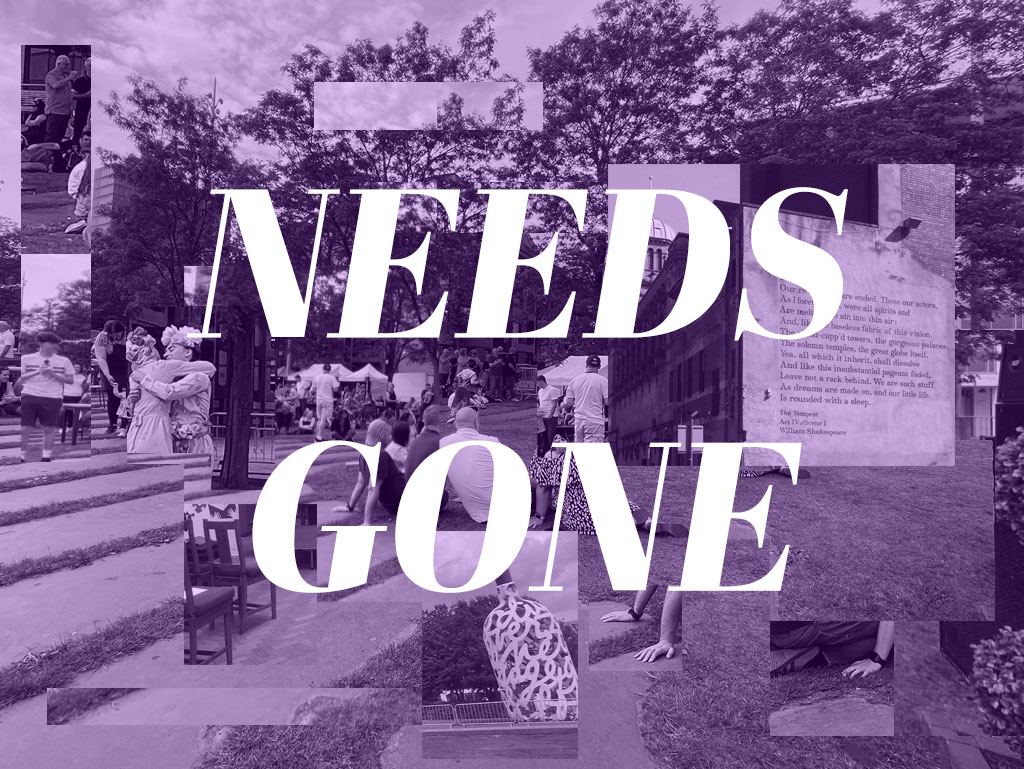
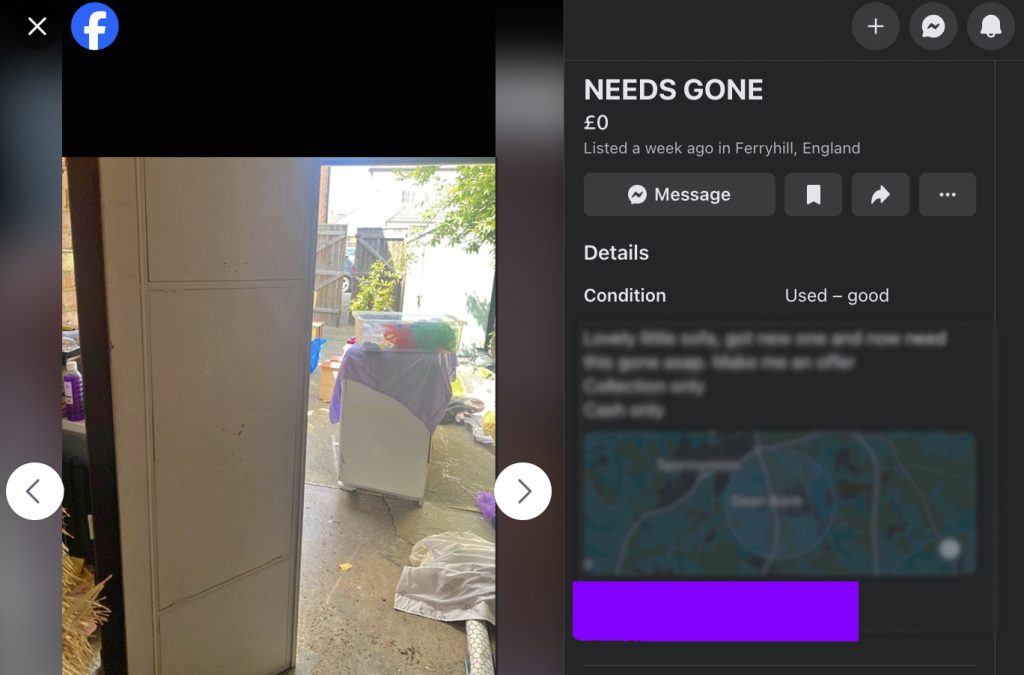
Recently, I have been trying my hand at growing-your-own. I have been looking for ads of pieces of scrap wood to start to assemble a planter from salvaged materials. Words that accompany local scraps and things going spare are often titled with a local turn of phrase “Needs Gone”. The more I look at those two words, the more dimensions that wish seems to occupy, both the victimising and dismissing, the customary and everyday and there’s that word again, “Needs”. Sometimes that word can transform from desire to accusation and it’s at that tipping point that the word “needs” becomes political in tone and experiences a signal loss from the real world. Is the phrase about surrender? honesty? or is it more simply about dignity? What does it say about the assumptions we bring with us when embarking on art that has at its core an aspect of inspiring social change? There is also something of the inevitable about it, about how, as much as we want to avoid having needs as we grow old, our needs will catch up with us, grow with us. As far as possible, we want that sense of need to feel ergonomic, that we can articulate what we need, that however imperfectly, we can use the story of our lives as a kind of salve, as a means to commune with others and share in the greater story, the more ancient story of all of us.